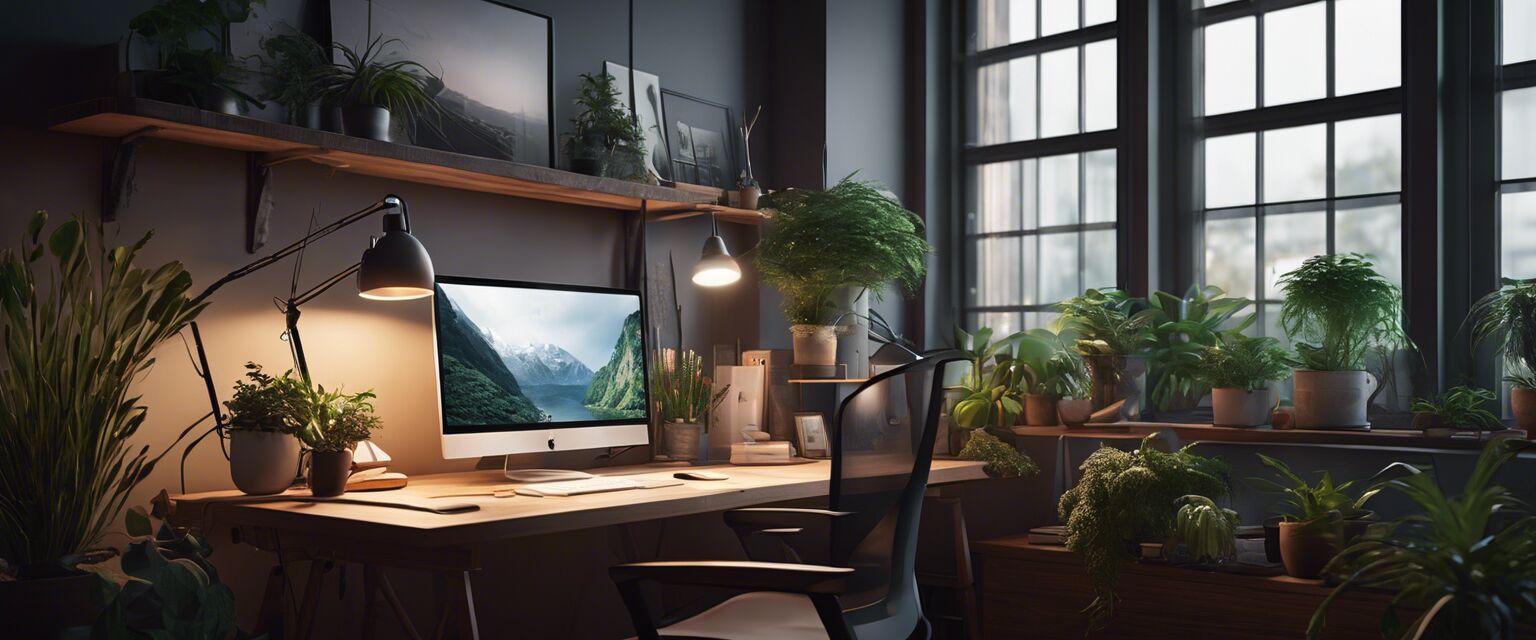
Ergonomic Lighting Solutions
Key Takeaways
- Proper lighting can reduce eye strain and improve concentration.
- Different types of lighting serve unique purposes in an ergonomic setup.
- Task lighting enhances productivity while ambient lighting creates a comfortable environment.
- Adjustable lighting solutions can cater to individual preferences.
- Consideration of color temperature affects mood and productivity.
In today's digital age, where many of us spend hours in front of screens, the importance of proper lighting is critical. Ergonomic lighting solutions not only enhance your workspace but also contribute significantly to your overall comfort and health. This article explores various ergonomic lighting options and their benefits.
Understanding Ergonomic Lighting
Ergonomic lighting refers to carefully planned lighting setups that promote comfort, reduce eye strain, and enhance productivity. Proper lighting is essential in creating a workspace that minimizes fatigue and maximizes focus.
Types of Ergonomic Lighting
| Type of Lighting | Purpose | Benefits |
|---|---|---|
| Ambient Lighting | General illumination | Creates a comfortable overall light level |
| Task Lighting | Focused lighting for specific tasks | Reduces shadows and improves visibility |
| Accent Lighting | Highlight specific areas or objects | Adds visual interest and depth |
| Natural Light | Utilizing sunlight | Improves mood and reduces energy costs |
Benefits of Ergonomic Lighting
Using ergonomic lighting solutions comes with numerous advantages, making it a worthwhile investment for your workspace.
- Reduces Eye Strain: Proper lighting minimizes glare from screens and reduces eye fatigue.
- Improves Focus: Task-oriented lighting can enhance concentration levels.
- Enhances Mood: Natural and warm light can positively affect your emotions and energy.
- Increases Productivity: An effectively lit space can lead to increased efficiency in work tasks.
Considerations for Choosing Lighting
Tips for Beginners
- Choose LED bulbs for energy efficiency and longevity.
- Maintain a consistent color temperature to avoid distractions.
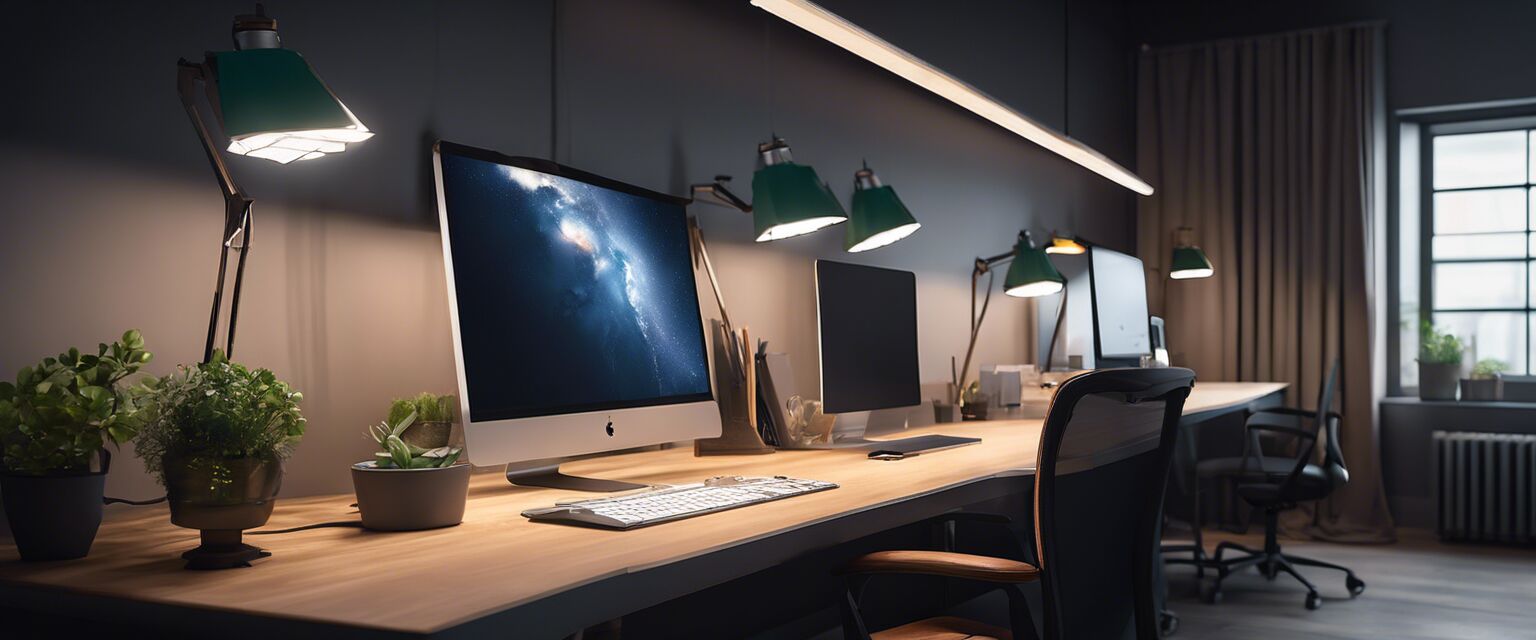
- Position lights to reduce shadows and prevent glare on screens.
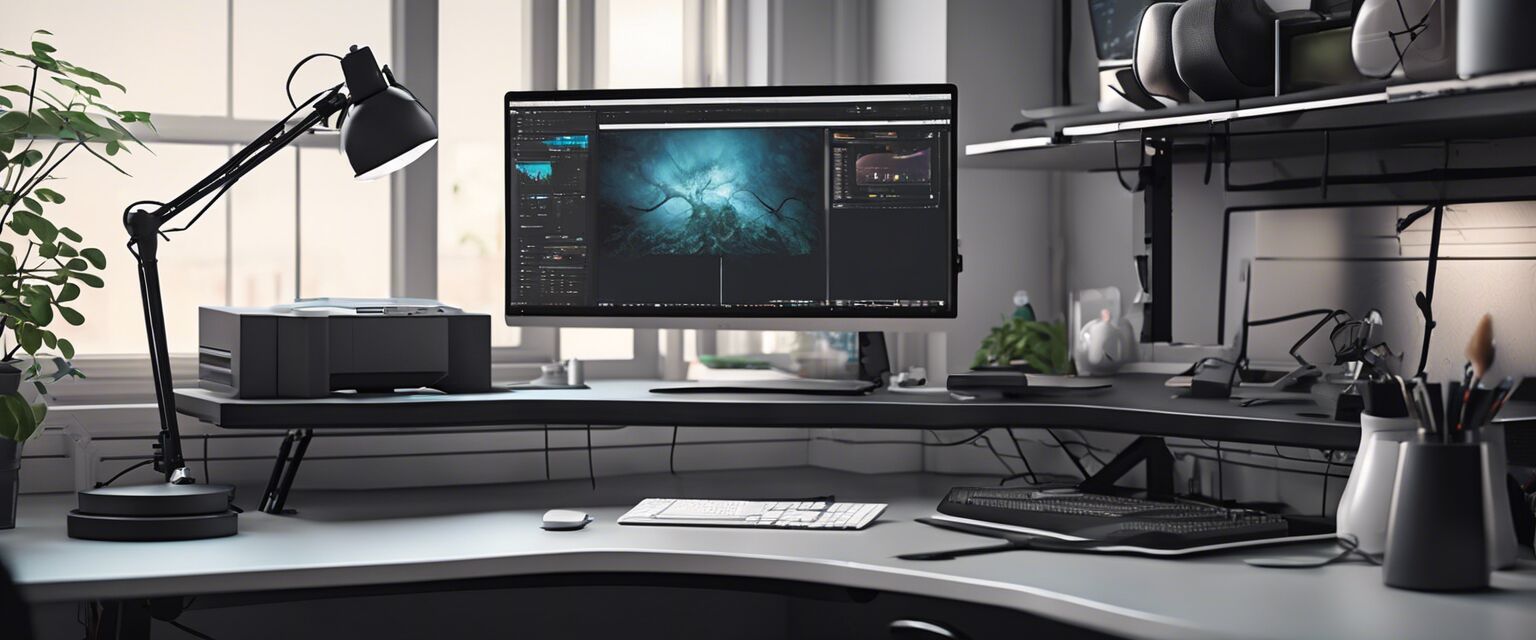
- Consider using adjustable desk lamps for task-specific lighting.
- Evaluate the brightness levels based on your work needs.
Popular Ergonomic Lighting Solutions
There are several products that fall under ergonomic lighting solutions. Below, we explore some popular options.
| Product Type | Features | Ideal For |
|---|---|---|
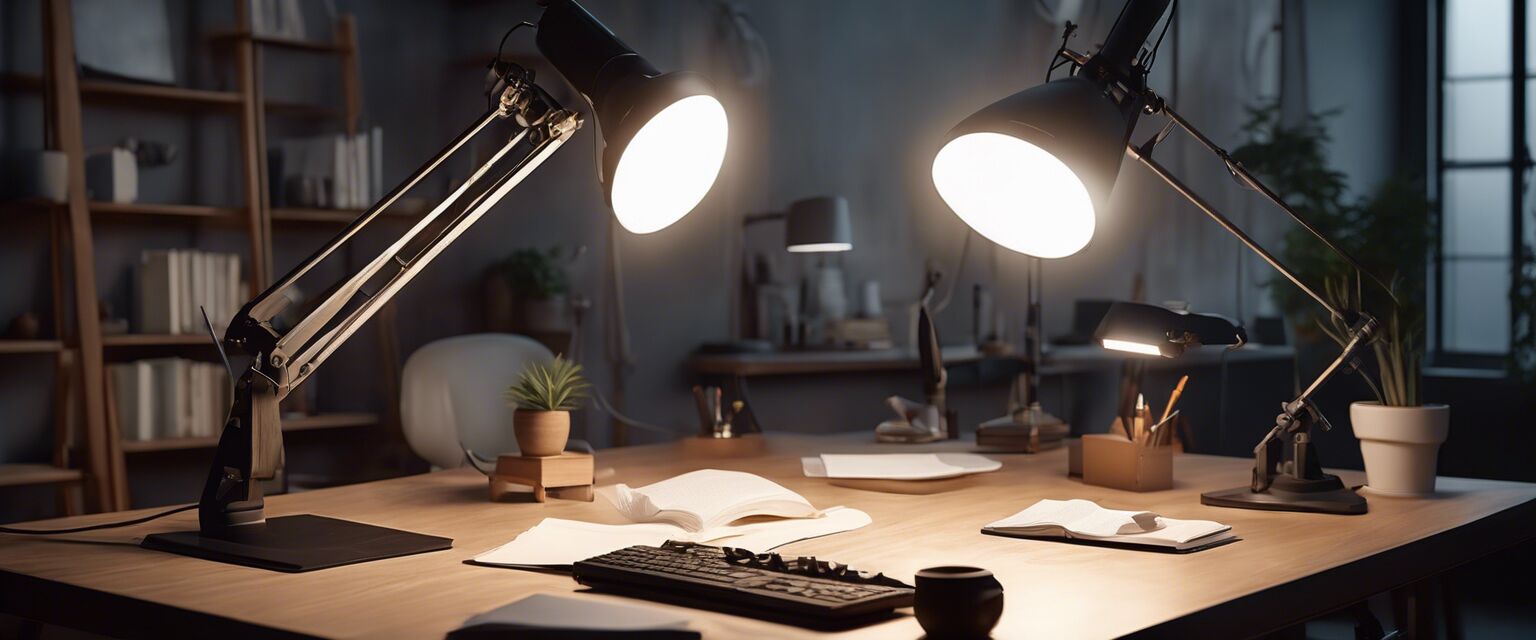
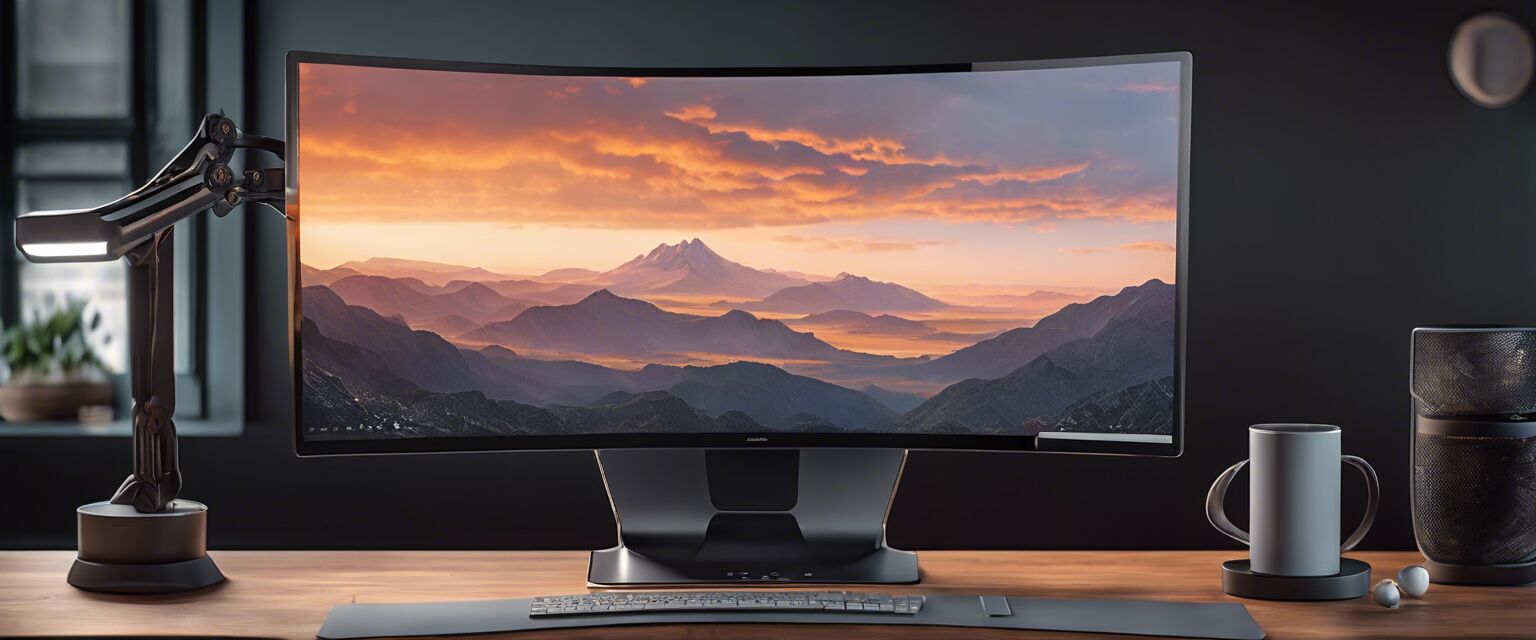
| Adjustable Desk Lamp | Flexible arms, multiple brightness settings | Task lighting for desk work |
| Floor Lamps | Tall with adjustable brightness | Living and work areas requiring ambient light |
| Natural Light Simulation Lamps | Mimics daylight | Improving mood and energy in low-light areas |
Setting Up Your Lighting
Once you choose the right lighting solutions, itâs essential to set them up properly. Hereâs a guide to optimize your space:
- Identify the main work areas that require focused light.
- Position adjustable lamps within arm's reach to direct light where needed.
- If using ambient lighting, ensure it covers the entire room uniformly.
- Incorporate natural light where possible to balance your workspace.
Conclusion
Investing in ergonomic lighting solutions is a step toward creating a healthier work environment. By understanding your lighting needs and making informed choices, you can significantly enhance both your productivity and well-being. For more information on ergonomic accessories, check out our other pages on ergonomic chairs, ergonomic keyboards, and monitor stands.
Pros
- Improves overall workspace comfort
- Reduces risks of eye strain
- Enhances aesthetic appeal of the work environment
Cons
- Initial setup costs for quality lighting can be high
- Requires regular maintenance and bulb replacements
Additional Resources
Explore more about ergonomic solutions: