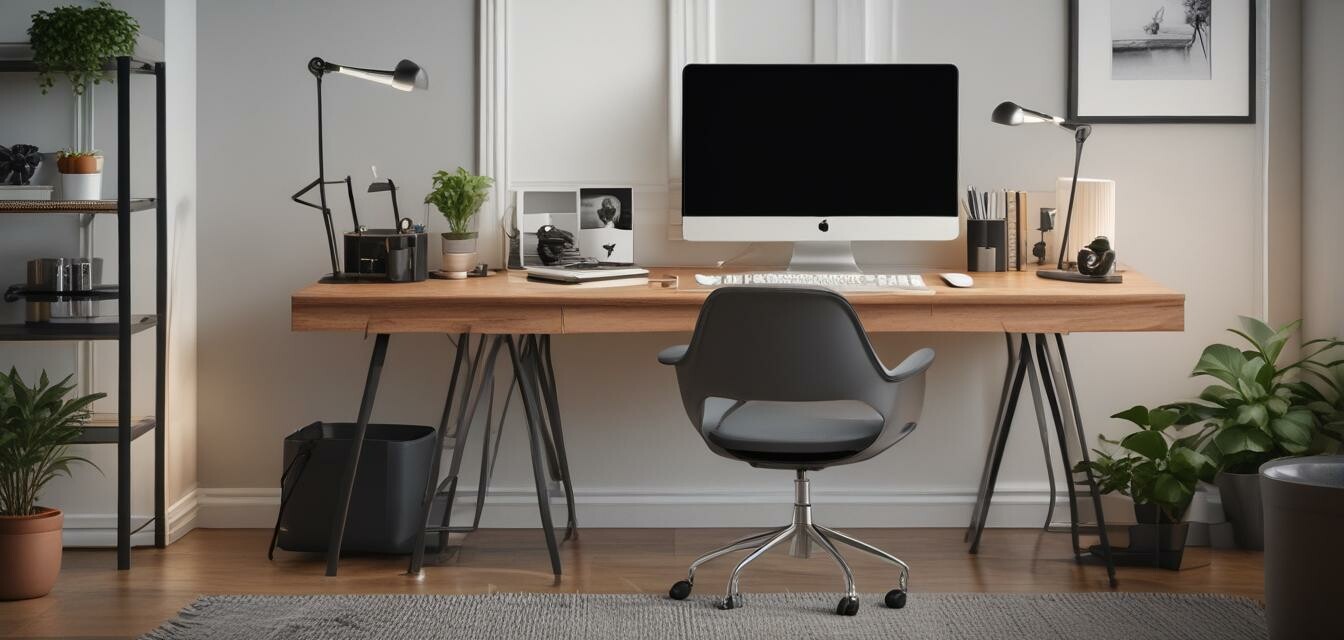
How ergonomics is shaping remote work
Key Takeaways
- Ergonomic products enhance comfort and productivity in remote work setups.
- Maintaining a healthy posture is essential for workers spending long hours at home.
- Investing in ergonomic accessories can prevent discomfort and long-term health issues.
- Regular breaks and movement are crucial in a remote work environment.
As remote work continues to dominate the professional landscape, the significance of ergonomics in home office setups cannot be overstated. With many individuals transitioning to full-time work-from-home arrangements, attention to ergonomic principles is more relevant now than ever. This article explores the impact of ergonomic products on remote work environments and the overarching importance of maintaining health and comfort while working from home.
The rise of remote work and ergonomics
Remote work was already gaining traction pre-2020, but the global pandemic accelerated its adoption across various industries. As more people set up home offices, the importance of ergonomics to enhance productivity and ensure well-being escalated. Ergonomics refers to designing workplaces that fit the worker’s needs, minimizing discomfort and maximizing efficiency. Here’s a breakdown of how ergonomics shapes remote work:
| Aspect | Impact of Ergonomics |
|---|---|
| Comfort | Ergonomic products reduce strain on the body, allowing for improved comfort throughout the workday. |
| Posture | Properly designed furniture encourages healthy posture, leading to fewer aches and pains. |
| Productivity | Comfortable work environments increase focus and efficiency, maximizing productivity. |
Essential ergonomic products for remote work
Investing in the right ergonomic products can make a significant difference in your day-to-day work experience. Here’s a list of essential ergonomic items that can enhance your remote workspace:
- Ergonomic Chairs: Designed to support the natural curve of your spine.
- Standing Desks: Allow you to alternate between sitting and standing, promoting better posture.
- Monitor Stands: Help position your screen at eye level to prevent neck strain.
- Ergonomic Keyboards: Designed to reduce wrist strain and enhance typing comfort.
- Foot Rests: Improve leg circulation and comfort while sitting.
Importance of posture while working from home
Maintaining proper posture is paramount when working remotely. Poor posture can lead to a slew of discomfort and long-term health issues. Studies show that individuals who sit with poor posture face an increased risk of musculoskeletal disorders. Here are some tips for maintaining good posture:
Tips for maintaining proper posture
- Keep your feet flat on the ground or on a footrest.
- Ensure your knees are slightly lower than your hips.
- Adjust your chair so that your back is supported.
- Position your monitor so that the top of the screen is at or just below eye level.
- Take regular breaks to stand, stretch, and reposition yourself.
Staying active while working remotely
Incorporating movement into your daily routine is crucial to avoid the pitfalls of a sedentary lifestyle. Here are some strategies for staying active while working from home:
- Set a timer to remind you to take mini-breaks every hour.
- Integrate short stretching sessions into your schedule.
- Consider a walking meeting instead of sitting in front of a screen.
- Utilize ergonomically designed active seating options, like stability balls.
- Engage in regular exercise to promote overall health.
Conclusion
As remote work becomes a staple of modern life, understanding the implications of ergonomics is essential for both productivity and health. By investing in ergonomic products, maintaining proper posture, and incorporating regular movement, remote workers can significantly enhance their work experience. Staying proactive about ergonomics leads to a healthier, more productive work-from-home environment. For more on ergonomic solutions, check out our guides on ergonomic chairs, ergonomic keyboards, and standing desks.
Pros
- Increased comfort during long work hours.
- Reduced risk of musculoskeletal issues.
- Improved productivity and focus.
- Better posture support with right ergonomics.
Cons
- Initial investment cost of ergonomic products.
- Requires space for some ergonomic setups, like standing desks.
- Getting used to new furniture can take time.